

Muehlenbeckia Axillaris Care Guide

Appearance and Growth Habit
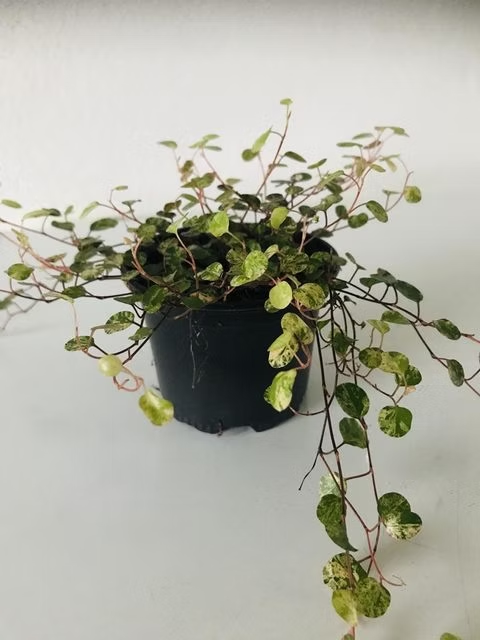
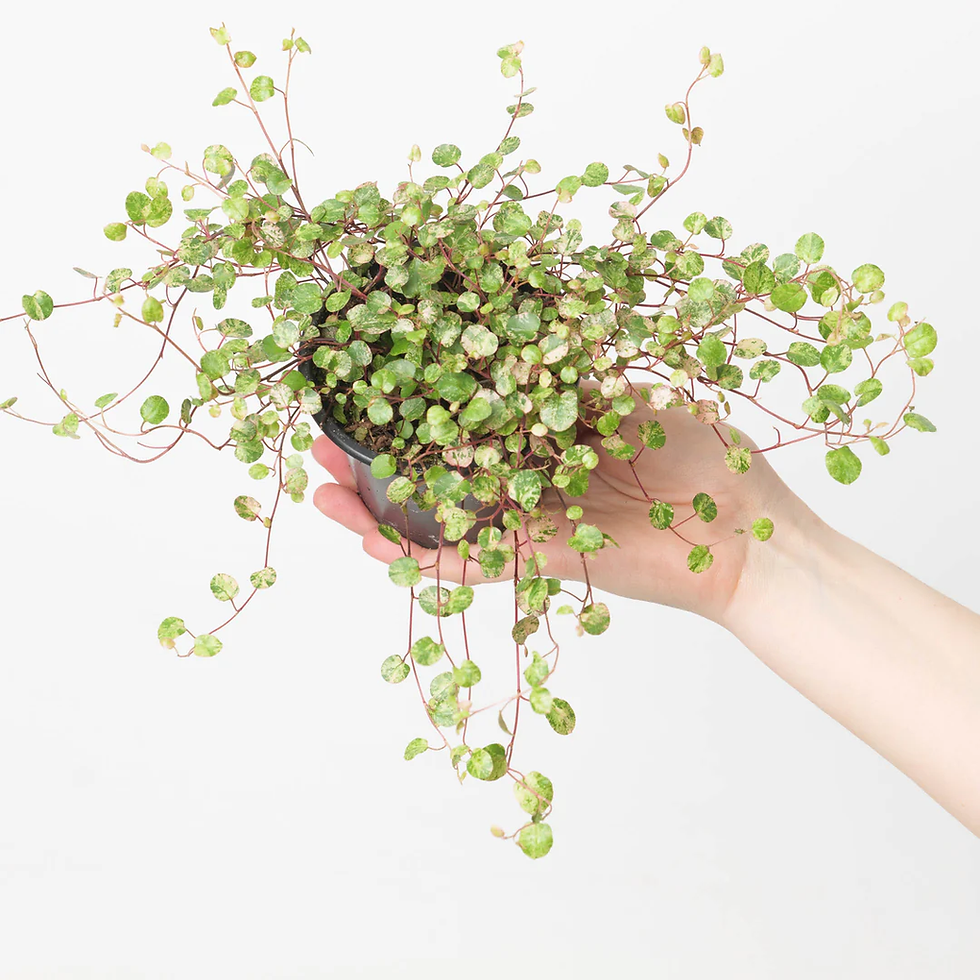
Muehlenbeckia Axillaris is a fine textured, wiry little groundcover that looks like it was designed by someone who really likes tiny chaos in plant form. It produces thin, dark brown to reddish stems with very small round leaves that sit neatly along the vines. From a distance it reads as a soft green or bronze mat, but up close it has a delicate, almost intricate branching structure.
This is a low growing, spreading plant rather than a climber or upright shrub. It naturally creeps across soil, rocks, and containers, forming dense mats over time. Growth speed is moderate to fast depending on conditions, and in ideal environments it can spread aggressively, filling in gaps quickly.
Indoors it is usually kept more controlled in pots or used in terrariums, bonsai style plantings, or decorative trailing arrangements.
Lighting Requirements
Muehlenbeckia Axillaris prefers bright light and can tolerate direct sun better than many tropical houseplants. In fact, good light is key to keeping it compact and healthy.
In lower light conditions, it tends to become leggy, sparse, and less dense, losing its tight mat forming habit. If it starts stretching, it is basically trying to escape into better lighting.
Outdoors or in very bright indoor conditions it stays much fuller and more attractive, with tighter branching and denser foliage.
Watering and Humidity
This plant prefers consistently lightly moist soil but is more forgiving than many delicate tropical species. It does not like to dry out completely for long periods, especially in active growth phases.
Water when the top layer of soil begins to dry, but avoid leaving it constantly wet. Good drainage is important because stagnant moisture around the roots can still lead to rot.
Overwatering signs include:
Yellowing leaves
Soft stems near the base
Patchy dieback
Underwatering shows as crispy leaves, thinning coverage, and branch dieback from the tips.
Humidity is not particularly demanding. It adapts well to average household humidity as long as it is not extremely dry for long periods.
Temperature Range
Muehlenbeckia Axillaris prefers cool to mild conditions between 10°C and 24°C. It is more temperate than tropical in nature.
It can tolerate light frost in some outdoor settings when established, but indoor plants should still be protected from prolonged cold drafts.
High heat combined with dryness can cause stress, so it generally performs best in moderate climates rather than extreme tropical conditions.
Soil and Potting Mix
A well draining but moisture balanced mix is ideal.
A good mix includes:
Standard potting soil
Perlite
Sand or fine grit
A small amount of compost
The goal is a soil that holds light moisture but drains quickly enough to prevent stagnation.
It is quite adaptable but will perform best in structured, breathable soil rather than heavy or compact mixes.
Fertilizing and Growth Control
Feed lightly every 4 to 6 weeks during active growth using a balanced fertilizer. It does not require heavy feeding and can become overly lush and unruly if over fertilized.
To maintain a compact, dense appearance:
Provide strong light
Prune regularly
Avoid excessive nitrogen feeding
Maintain consistent moisture without overwatering
Frequent trimming encourages branching and keeps the plant looking full rather than straggly.
Growth Habit and Maintenance
Muehlenbeckia species like Axillaris are naturally fast spreaders. In controlled environments they benefit from regular pruning to maintain shape.
Without trimming, it can become tangled and thin in areas where light is lower. Pruning helps redirect energy into denser growth and a more compact form.
It responds very well to cutting back and will regrow quickly from trimmed sections.
Repotting Advice
Repot every 1 to 2 years depending on growth rate. It can become root bound fairly quickly due to its spreading habit.
Signs it needs repotting:
Roots circling tightly
Soil drying out too quickly
Reduced growth or patchiness
Water running straight through
Increase pot size gradually and refresh soil to maintain healthy root function.
Spring is the best time for repotting as it recovers quickly during active growth.
Hydroponic and Semi Hydro Compatibility
Muehlenbeckia Axillaris can adapt to semi hydro systems, but it is not as commonly grown this way as tropical plants.
In LECA or similar setups it can grow, but it prefers more natural soil conditions with a bit more organic structure. If grown semi hydro, careful moisture control is essential to avoid stem rot.
It generally performs best in soil based systems rather than full hydro setups.
Root Rot Prevention Tips
Root rot can occur if the plant is kept too wet or in poorly draining soil.
To prevent it:
Use well draining soil
Avoid constant saturation
Ensure drainage holes are present
Do not overpot
Allow partial drying between waterings
Maintain airflow
Healthy roots should remain firm and light coloured.
Shipping Stress Recovery and Acclimation
After shipping, it may appear slightly sparse or stressed, especially if fine stems have dried out during transit.
Place it in bright light and avoid immediate heavy pruning or repotting unless necessary. It usually recovers quickly once stable conditions are provided.
Some minor dieback of thin tips is normal during acclimation.
Avoid fertilizing until new growth appears.
Signs Your Plant Is Happy
A healthy Muehlenbeckia Axillaris will show:
Dense branching growth
Tight mat formation
Small healthy round leaves
Quick recovery after pruning
Steady spreading habit
When very happy, it forms thick, lush carpets of fine textured foliage.
Pest Susceptibility
This plant is relatively hardy but can still attract aphids, spider mites, and occasionally thrips, especially in dry or stressed conditions.
Spider mites may cause fine speckling and thinning foliage. Aphids can cluster on new soft growth. Thrips may distort tips and new leaves.
Prevention includes:
Good airflow
Regular pruning
Avoiding drought stress
Inspecting dense areas of growth
Because of its dense structure, pests can hide easily in tangled sections, so periodic thinning helps inspection.
Common Problems and Troubleshooting
Leggy growth usually indicates insufficient light.
Yellowing or dieback often points to overwatering or poor drainage.
Patchy growth can result from uneven light exposure or old stems becoming woody.
Dry crispy tips usually indicate underwatering or overly dry air.
Winter Care Tips
Growth slows in winter, especially in cooler conditions. Reduce watering frequency and allow the soil to dry slightly more between watering.
Protect from cold drafts and avoid overly wet soil in cooler months.
In low light winter conditions, growth may become thinner, so supplemental lighting can help maintain density.
Fertilizer can be reduced or paused until spring growth resumes.
Terrarium Compatibility
Muehlenbeckia Axillaris can work in larger terrariums, especially open or semi open setups with good airflow.
It is best suited for:
Temperate terrariums
Open glass containers
Bonsai style terrarium landscapes
Moss and hardscape groundcover layouts
It is not ideal for small sealed tropical terrariums long term because it prefers airflow and can become patchy in overly humid stagnant environments.
Pet Safety and Reptile Safety
Muehlenbeckia Axillaris is not widely classified as highly toxic, but it is also not considered a confirmed pet safe species. Ingestion may cause mild digestive upset in cats, dogs, or reptiles due to plant irritation.
It is generally best used as a decorative groundcover rather than a plant intended for consumption or frequent animal contact.
For reptile enclosures, it can be used in some setups, but monitoring is important due to its fast spreading growth and potential for entanglement in dense mats.
Comments