

Anthurium Magnificum Blue
- Nikki Smit
- 2 days ago
- 3 min read


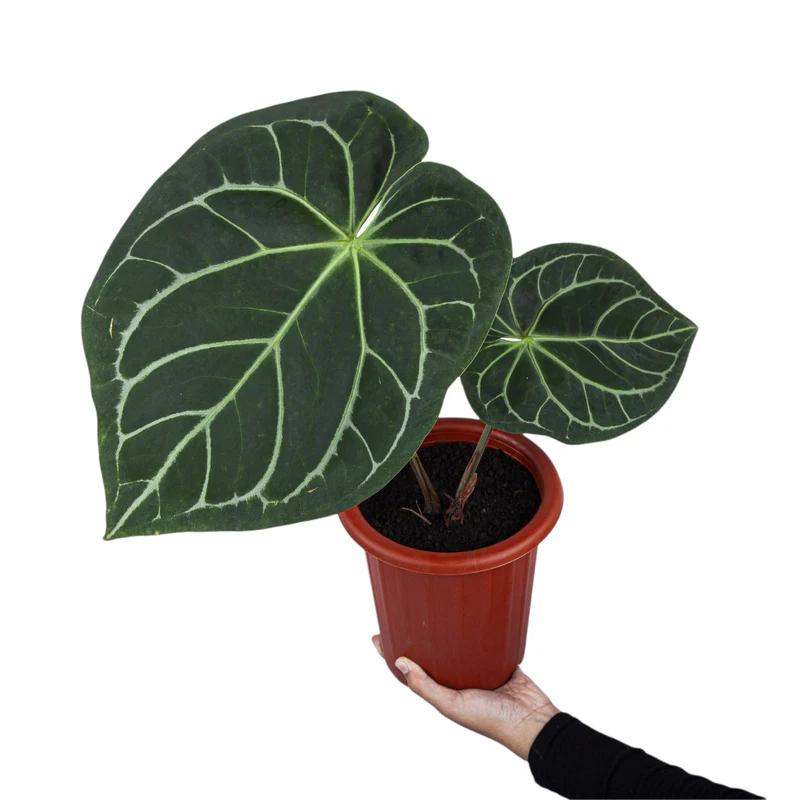
Anthurium Magnificum (Blue) — The Velvety Jewel of the Aroid World
Anthurium Magnificum (Blue) is a highly coveted tropical aroid known for its large, velvety, heart-shaped leaves with prominent silvery-blue venation. Its striking foliage and compact, rosette growth habit make it a luxurious statement plant for collectors seeking rare, high-impact indoor greenery.
Plant Description
Anthurium Magnificum (Blue) is a slow-growing tropical aroid native to Central and South America, celebrated for its dramatic foliage rather than flowers.
Appearance
Leaves:
Large, heart-shaped, and velvety
Dark green to deep bluish-green with metallic silver-blue veins
Young leaves smaller and brighter; mature leaves develop the full velvety texture and color contrast
Leaf size can reach 30–50 cm under optimal indoor conditions
Growth Habit:
Compact, rosette-forming plant
Short stems; leaves emerge closely from the base
Climbing is not typical; best as a tabletop or elevated plant display
Flowers:
Rarely blooms indoors
Typically grown for foliage aesthetics
Indoor or Outdoor?
Anthurium Magnificum (Blue) is best grown indoors, where temperature, light, and humidity can be controlled.
Indoor Placement:
Bright, indirect light is ideal
Avoid direct sunlight → prevents leaf burn
Perfect for display on pedestals, shelves, or plant stands
Outdoor Placement:
Suitable only in tropical, frost-free climates
Filtered shade under canopy
Protect from wind, direct sunlight, and cold
Light Requirements
Bright, indirect light encourages rich leaf color and healthy growth.
Guidelines:
Avoid direct sunlight → prevents scorching
Moderate light is tolerated, but color may dull
Low light slows growth and reduces leaf size
Watering Needs
Anthurium Magnificum (Blue) prefers evenly moist, well-draining soil.
Watering Guide:
Water when the top 2–3 cm of soil feels dry
Reduce watering slightly in winter
Avoid letting water pool in the crown or base
Signs of Watering Issues:
Overwatering → yellowing leaves, root rot
Underwatering → drooping, dry, or crispy leaves
Soil Requirements
A light, airy, well-draining substrate mimics its natural epiphytic conditions.
Ideal Soil Mix:
2 parts high-quality potting soil
1 part orchid bark or coco coir
1 part perlite or pumice
Best Growth Habitat
Native to tropical rainforests, this anthurium thrives in warm, humid environments.
Temperature:
Ideal: 18–28°C
Avoid temperatures below 15°C
Humidity:
Prefers 60–80% humidity
Benefits from misting, pebble trays, or grouping with other tropical plants
Maintenance and Care
Anthurium Magnificum (Blue) is low-maintenance if environmental conditions are stable.
Routine Care:
Remove yellow or damaged leaves
Wipe leaves with a soft cloth to maintain sheen
Rotate plant for even growth
Fertilizing:
Feed every 4–6 weeks during spring and summer with diluted balanced fertilizer
Avoid fertilizing in winter
Repotting:
Every 2–3 years or when root-bound
Use a slightly larger pot with excellent drainage
Propagation:
Division at repotting or stem cuttings with a node
Slow growth requires patience
Common Problems
Yellow leaves: Overwatering or low humidity
Brown leaf tips: Dry air or inconsistent watering
Slow growth: Low light or nutrient deficiency
Pests: Mealybugs, spider mites, aphids
Pet and Reptile Safety
Anthurium Magnificum (Blue) is toxic to pets and reptiles due to calcium oxalate crystals.
Safety Note:
Keep away from cats, dogs, and reptiles
Ingestion may cause oral irritation, drooling, and digestive upset
Why Plant Lovers Adore Anthurium Magnificum (Blue)
With its velvety, heart-shaped leaves and striking silver-blue venation, Anthurium Magnificum (Blue) is a statement plant for indoor jungles. Its compact rosette form, luxurious texture, and dramatic appearance make it a coveted choice for collectors seeking rare tropical foliage. 🌿


Comments