

Pellionia Pulchra Care Guide
- Nikki Smit
- May 22
- 4 min read


Appearance and Growth Habit
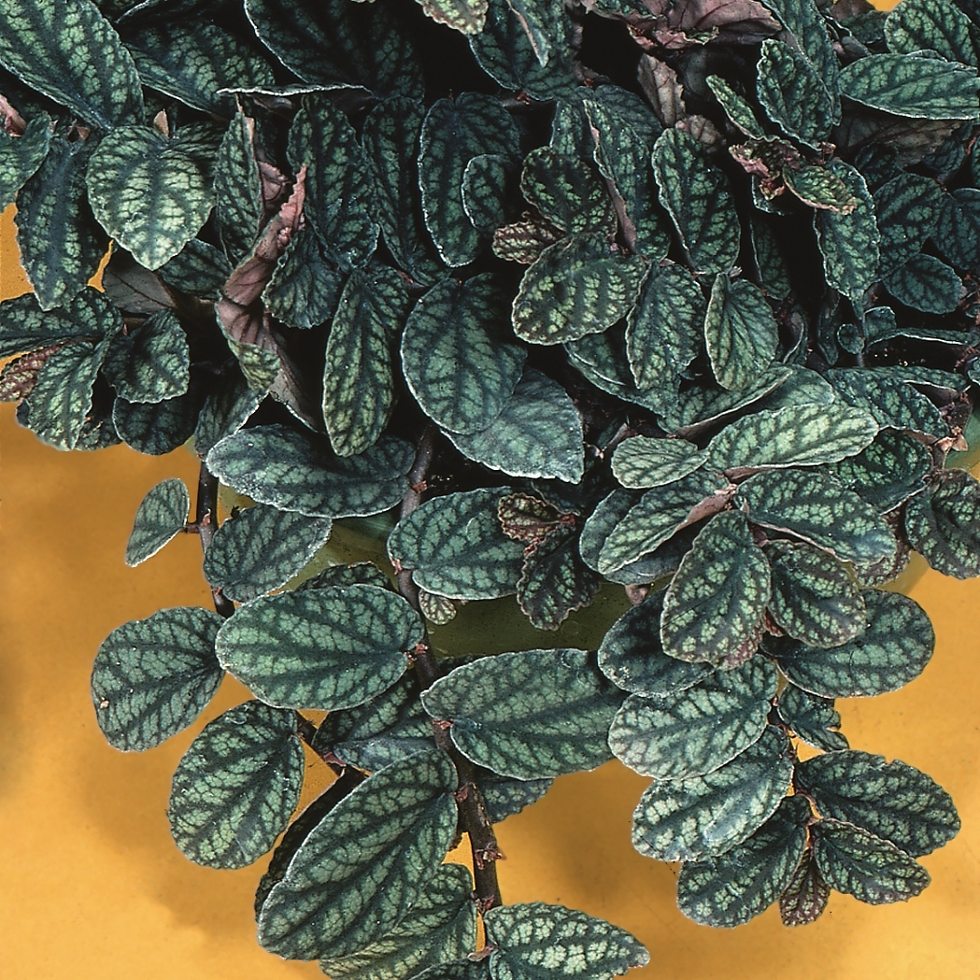
Pellionia Pulchra is a soft, creeping tropical plant that looks like it was designed specifically to spill elegantly out of pots and terrariums. Its leaves are oval to slightly elongated, with a velvety texture and a beautiful mottled pattern of olive green, deep green, and sometimes bronze or purple tones depending on light and maturity.
The stems are thin and flexible, naturally trailing and branching as they grow. Over time it forms a flowing, low cascading mat rather than an upright structure. Growth speed is moderate to fast in stable warm and humid conditions, and it can quickly fill in a container once it is happy.
This is not a climbing plant. It is a natural trailer and groundcover style grower that looks best when allowed to drape and spread freely.
Lighting Requirements
Pellionia Pulchra prefers bright indirect light but is more shade tolerant than many tropical foliage plants. It naturally grows on forest floors where light is filtered and soft.
Ideal conditions:
Bright filtered light
Dappled shade
Stable indirect indoor light
Too much direct sun can fade the leaf pattern and cause crisping. Too little light will result in sparse, leggy growth with reduced colour contrast.
If the plant starts looking thin or stretched, it usually needs a brighter position.
Watering and Humidity
Pellionia species prefer consistently lightly moist soil and are sensitive to drying out.
Water when the top layer of soil begins to dry, but avoid letting it become bone dry. At the same time, do not allow it to sit in waterlogged soil.
Overwatering signs:
Yellowing leaves
Soft or mushy stems
Leaf drop near the base
Underwatering signs:
Crispy edges
Wilting or drooping stems
Patchy dieback
Humidity around 60 to 80 percent is ideal. Higher humidity produces softer, fuller growth and helps maintain strong leaf texture and colour.
Temperature Range
Pellionia Pulchra prefers warm stable temperatures between 18°C and 26°C.
It is sensitive to cold drafts and sudden temperature drops. Avoid prolonged exposure below 15°C.
Consistency is more important than extremes. It performs best in stable indoor tropical conditions.
Soil and Potting Mix
A moisture retaining but airy mix is ideal.
A good mix includes:
Coco coir or peat alternative
Perlite
Fine orchid bark
Small amount of compost or potting soil
The goal is a lightly moist, breathable root zone that never becomes compacted or soggy.
Good drainage is essential to prevent stem and root rot.
Fertilizing and Growth Support
Feed every 2 to 4 weeks during spring and summer with a diluted balanced fertilizer.
To encourage lush trailing growth:
Maintain consistent moisture
Provide bright indirect light
Keep humidity high
Avoid overfertilising
Prune lightly to encourage branching
It responds very well to trimming, quickly filling out again with denser growth.
Growth Habit and Maintenance
Pellionia Pulchra naturally spreads outward and downward. It does not climb or stand upright.
Without pruning it can become long and slightly sparse over time. Regular trimming encourages bushier, fuller growth and prevents legginess.
It is excellent for hanging baskets, shelf edges, and terrarium groundcover where soft trailing texture is desired.
Repotting Advice
This plant grows moderately fast and may need repotting every 1 to 2 years.
Signs it needs repotting:
Roots filling the pot
Soil drying too quickly
Reduced growth or thinning foliage
Repot carefully as stems are delicate and can break easily. Increase pot size gradually to avoid excess moisture retention.
Spring is the best time for repotting.
Hydroponic and Semi Hydro Compatibility
Pellionia Pulchra can adapt to semi hydro systems like LECA or pon, but it prefers soil based or organic rich mixes.
In hydro setups it requires careful moisture balance and good airflow to prevent stem rot. It is more forgiving in soil or moss based systems.
Root Rot Prevention Tips
Root rot is one of the main risks for this plant, especially in dense soil or overwatering conditions.
To prevent it:
Use airy, moisture balanced soil
Avoid constant saturation
Ensure drainage holes are clear
Do not overpot
Maintain airflow around foliage and soil
Healthy roots should be fine, light coloured, and firm.
Shipping Stress Recovery and Acclimation
After shipping, Pellionia Pulchra may look slightly limp or sparse due to its delicate stems.
Place it in bright indirect light and keep humidity stable. Avoid repotting immediately unless necessary.
It may drop a few older leaves during acclimation, but new growth usually appears quickly once it settles.
Avoid fertilising until signs of active regrowth appear.
Signs Your Plant Is Happy
A thriving Pellionia Pulchra will show:
Dense trailing growth
Soft velvety leaf texture
Strong colour contrast in foliage
Frequent new stem branching
Full cascading habit
When very happy, it forms thick flowing curtains of foliage that soften the edges of pots and shelves beautifully.
Pest Susceptibility
Common pests include spider mites, thrips, and mealybugs, especially in dry or stagnant environments.
Spider mites cause fine speckling and dull leaves. Thrips damage new growth and distort leaf edges. Mealybugs appear as white cotton clusters in stem joints.
Prevention:
Maintain humidity
Avoid dry air
Inspect stems regularly
Isolate new plants
Clean foliage occasionally
Because of its soft structure, pests can hide easily in dense trailing sections.
Common Problems and Troubleshooting
Yellowing leaves usually indicate overwatering or poor drainage.
Crispy edges often point to low humidity or underwatering.
Sparse growth is commonly caused by insufficient light.
Leggy vines usually mean the plant needs pruning and brighter conditions.
Slow growth can result from cold temperatures or lack of nutrients.
Winter Care Tips
During winter, growth slows significantly. Reduce watering slightly but do not allow soil to dry completely.
Keep the plant away from cold drafts and avoid hot dry air from heaters.
Supplemental lighting helps maintain compact growth during darker months.
Fertiliser should be reduced or paused until spring.
Terrarium Compatibility
Pellionia Pulchra is one of the better trailing foliage plants for terrariums and performs well in humid enclosed environments.
Best suited for:
Closed terrariums
Tropical display cabinets
Bioactive jungle builds
Hanging glass terrariums
It thrives in high humidity and stable moisture conditions but still needs some airflow to prevent rot.
Pet Safety and Reptile Safety
Pellionia Pulchra is generally considered non toxic, and is widely regarded as low risk for pets. However, ingestion may still cause mild digestive upset in cats, dogs, or reptiles.
It is best used as a decorative foliage plant rather than a chewable or edible species, and should be kept clean and chemical free if used in reptile enclosures.


Comments