Monstera adansonii (Swiss Cheese Vine)
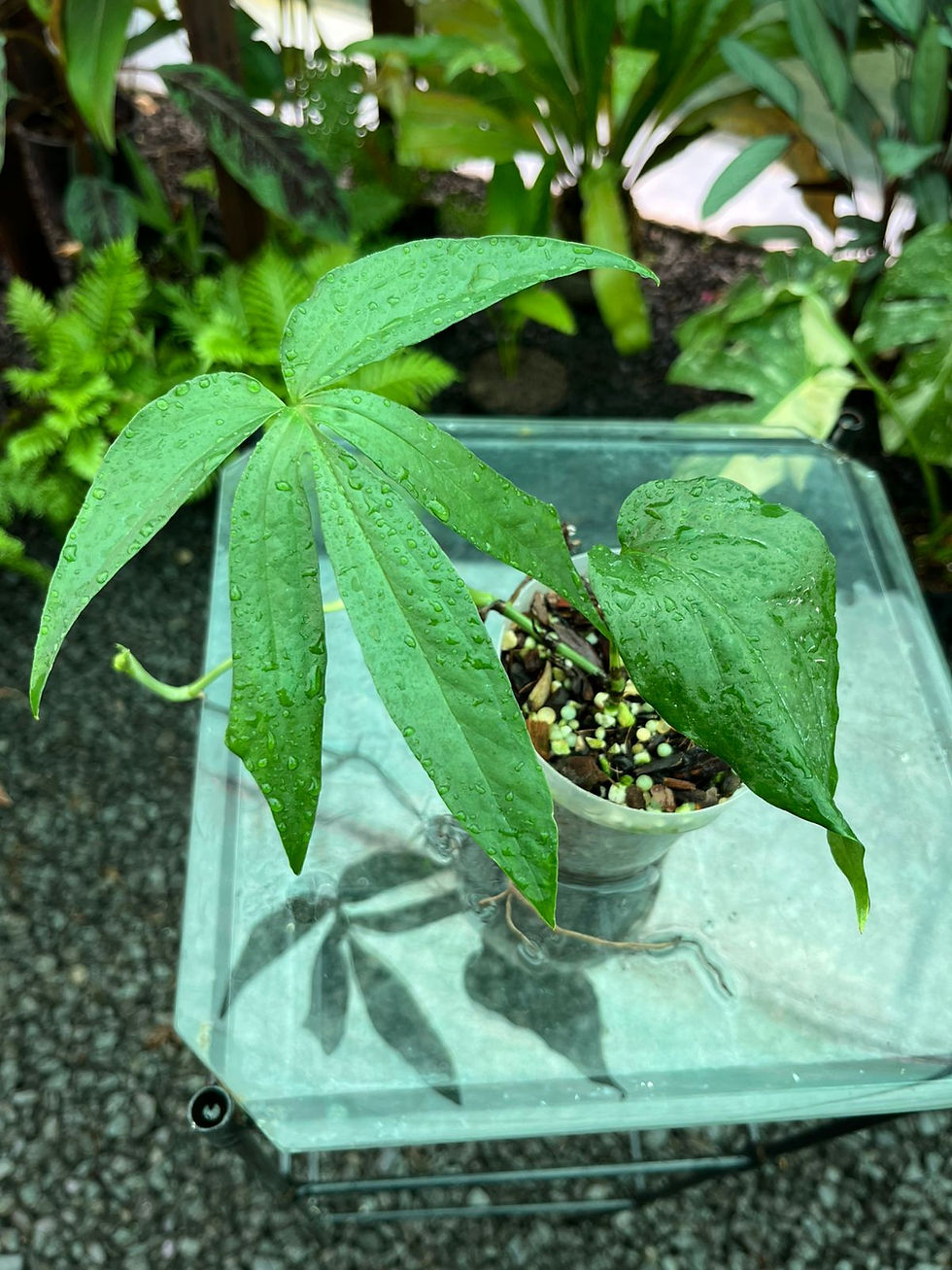
Playful and full of movement, Monstera adansonii is known for its delicate, hole-filled leaves that look as though light has danced straight through them. Smaller and more whimsical than its Monstera cousins, this plant brings a sense of ease and liveliness wherever it trails or climbs.
It feels tropical without being heavy. Curious without being demanding. A plant that softens a space while still making a statement.
What It Looks Like
Medium-sized, oval leaves with natural oval holes (fenestrations)
Bright to deep green foliage with a soft, slightly glossy finish
Trailing or climbing growth habit
Flexible vines that spill beautifully from shelves or wrap around supports
Each leaf feels a little mischievous—imperfect in the most charming way.
Care Guide
Monstera adansonii is adaptable and forgiving, making it an excellent everyday plant.
Light
Bright, indirect light is ideal
Tolerates medium light, though growth may slow
Avoid harsh direct sunlight
Water
Water when the top few centimetres of soil are dry
Likes evenly moist soil but never soggy
Reduce watering in cooler months
Soil
Well-draining, airy mix (aroid mix preferred)
Roots need airflow to stay healthy
Humidity & Temperature
Enjoys moderate to high humidity
Thrives in warm, stable indoor temperatures
Avoid cold drafts
Pet Safe & Reptile Safe
Not pet-safe
Toxic to cats and dogs if ingested
Contains calcium oxalate crystals which can cause mouth irritation, drooling, and stomach upset
Not recommended for reptile enclosuresSap may be irritating
Not suitable where animals may nibble or rub against foliage
Best placed out of reach in homes with pets.
Quick Care Tips
Brighter light encourages larger leaves and more holes
Trim vines to encourage fullness
Rotate plant for even growth
Provide a pole or trellis if you want climbing growth
Forgiving if you miss an occasional watering
Troubleshooting
Yellowing leaves
→ Overwatering or poor drainage
→ Allow soil to dry slightly between waterings
Small leaves or fewer holes
→ Light too low
→ Move to a brighter indirect spot
Brown edges or tips
→ Low humidity or inconsistent watering
→ Increase humidity and stabilise care routine
Leggy vines
→ Reaching for light
→ Increase brightness and prune back