

Syngonium Red Heart
- Nikki Smit
- 2 hours ago
- 3 min read


Syngonium Red Heart — The Vibrant Tropical Foliage Plant
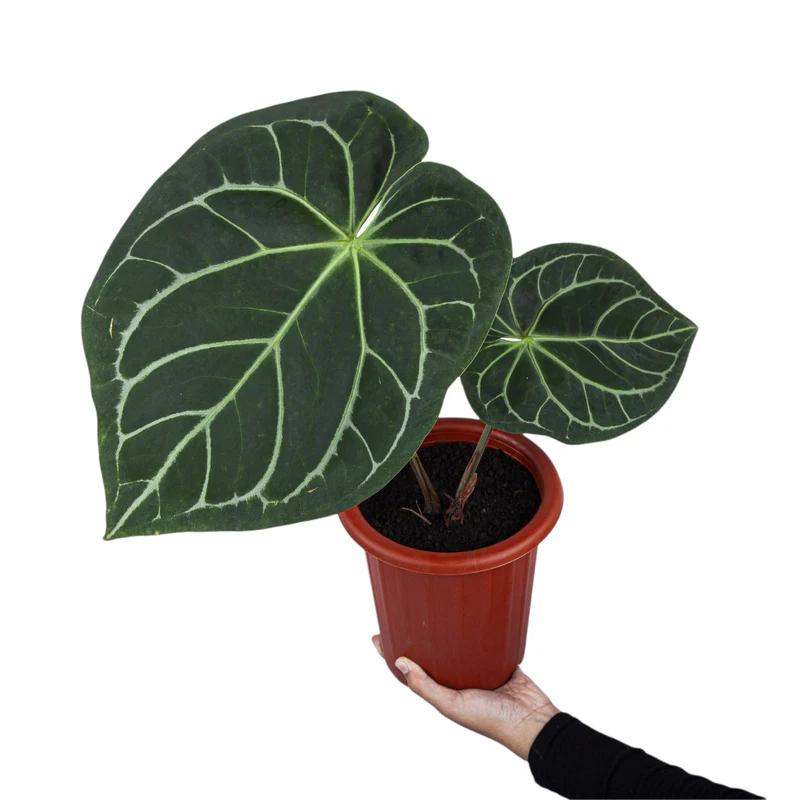
The Syngonium Red Heart is a striking tropical aroid admired for its bold, arrowhead-shaped leaves in shades of deep red and burgundy, sometimes accented with subtle green variegation. Its dramatic foliage and trailing habit make it a standout choice for indoor plant enthusiasts looking to add colorful, sculptural texture to their living spaces.
This Syngonium is versatile in styling, whether allowed to trail from hanging baskets, climb a moss pole, or fill a tabletop planter. Its vibrant leaves make it a perfect statement plant, providing a tropical touch with relatively easy care.
Plant Description
Syngonium Red Heart is a tropical evergreen aroid, primarily grown for its decorative foliage rather than flowers.
Appearance
Leaves:
Arrowhead or heart-shaped, turning deep red as they mature
Young leaves may show lighter pinkish or green tones
Glossy and smooth with a slightly leathery texture
Size: 10–20 cm indoors, larger outdoors
Growth Habit:
Trailing or climbing vine
Can be trained on moss poles, trellises, or allowed to cascade
Compact yet vigorous growth indoors
Flowers:
Rarely blooms indoors
If flowers appear, they are small and inconspicuous spathes
Indoor or Outdoor?
Syngonium Red Heart is best grown indoors but can thrive outdoors in shaded, frost-free tropical climates.
Indoor Placement:
Bright, indirect light near east or north-facing windows
Ideal for hanging baskets, shelves, plant stands, or tabletops
Outdoor Placement:
Filtered shade under trees or covered patios
Avoid direct sunlight, which can scorch leaves
Avoid:
Temperatures below 15°C
Direct afternoon sun
Waterlogged soil
Light Requirements
This plant thrives in bright, indirect light for vibrant red foliage.
Ideal Light:
North or east-facing windows indoors
Filtered shade outdoors
Low Light Tolerance:
Can survive in moderate light, but leaf color may fade
Growth may slow, and foliage can become smaller
Signs of incorrect lighting:
Too much sun → leaf scorch, browning edges
Too little light → dull or green-tinged leaves, leggy growth
Watering Needs
Syngonium Red Heart prefers evenly moist soil but is sensitive to overwatering.
Watering Guide:
Water when the top 2–3 cm of soil is dry
Ensure proper drainage to avoid root rot
Reduce watering slightly in cooler months
Signs of watering issues:
Underwatering → drooping leaves, curling tips
Overwatering → yellowing leaves, soft stems, root rot
Soil Requirements
This Syngonium prefers well-draining, nutrient-rich soil for healthy root development.
Ideal Soil Mix:
Peat or coco coir-based potting mix
Perlite for aeration and drainage
Optional orchid bark for improved structure
Best Growth Habitat
Native to tropical forests, Syngonium Red Heart thrives in warm, humid environments.
Temperature:
Ideal: 18–28°C
Avoid exposure below 15°C
Humidity:
Prefers moderate to high humidity (50–80%)
Mist leaves or use a humidity tray for best growth
Maintenance and Care
Syngonium Red Heart is moderate care, rewarding consistent attention with vibrant foliage.
Routine Care:
Remove yellow or damaged leaves
Rotate plant occasionally for even growth
Wipe leaves to keep them dust-free
Fertilising:
Feed every 4–6 weeks during spring and summer with a balanced liquid fertilizer
Reduce feeding in autumn and winter
Repotting:
Every 1–2 years, or when root-bound
Use a pot slightly larger than current one with good drainage
Propagation:
Stem cuttings root easily in water or moist soil
Ideal for expanding your indoor collection
Common Problems
Yellow leaves: Overwatering or low light
Brown leaf edges: Dry air, inconsistent watering, or too much sun
Leggy growth: Insufficient light
Pests: Spider mites, mealybugs, aphids
Pet and Reptile Safety
Syngonium Red Heart is toxic to pets and reptiles.
Risks:
Contains calcium oxalate crystals
Can cause oral irritation, drooling, vomiting, or swelling if ingested
Keep out of reach of cats, dogs, and reptiles
Why Plant Lovers Adore Syngonium Red Heart
With its vibrant red foliage, compact trailing habit, and ease of care, Syngonium Red Heart offers instant tropical elegance to any indoor space. Its dynamic color and sculptural leaves make it perfect for hanging baskets, plant stands, or table displays, delivering a pop of color and texture that elevates any plant collection.
Syngonium Red Heart is ideal for anyone seeking a tropical, visually striking, and easy-to-care-for foliage plant that combines beauty, texture, and indoor versatility. 🌿


Comments