Appearance and growth habit
Hoya Krimson Queen is a beautiful variegated Hoya with thick, waxy green leaves edged in creamy white and sometimes touched with pink on fresh growth. It has a naturally trailing and climbing growth habit, making it perfect for hanging pots, shelves or trained around a small trellis. With the right conditions, it can eventually produce clusters of fragrant, star-shaped flowers. Basically, it brings the pretty foliage without demanding the spotlight 24/7.
Care requirements
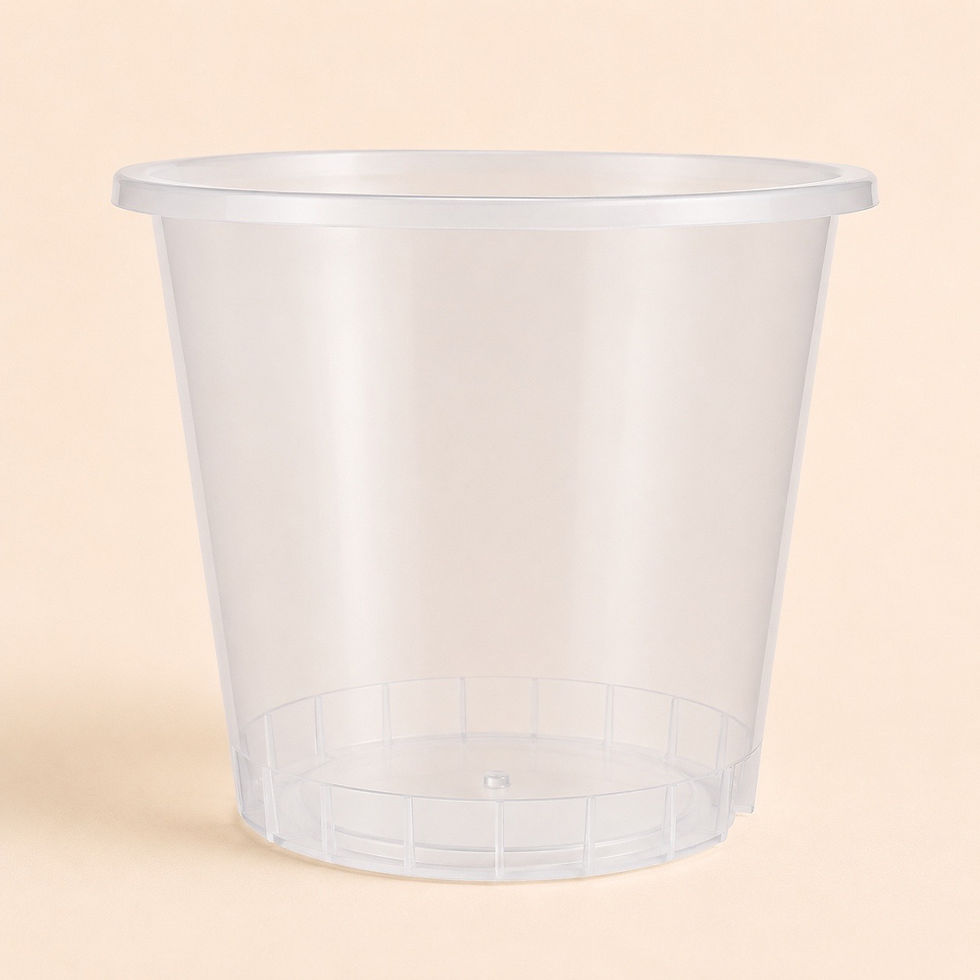
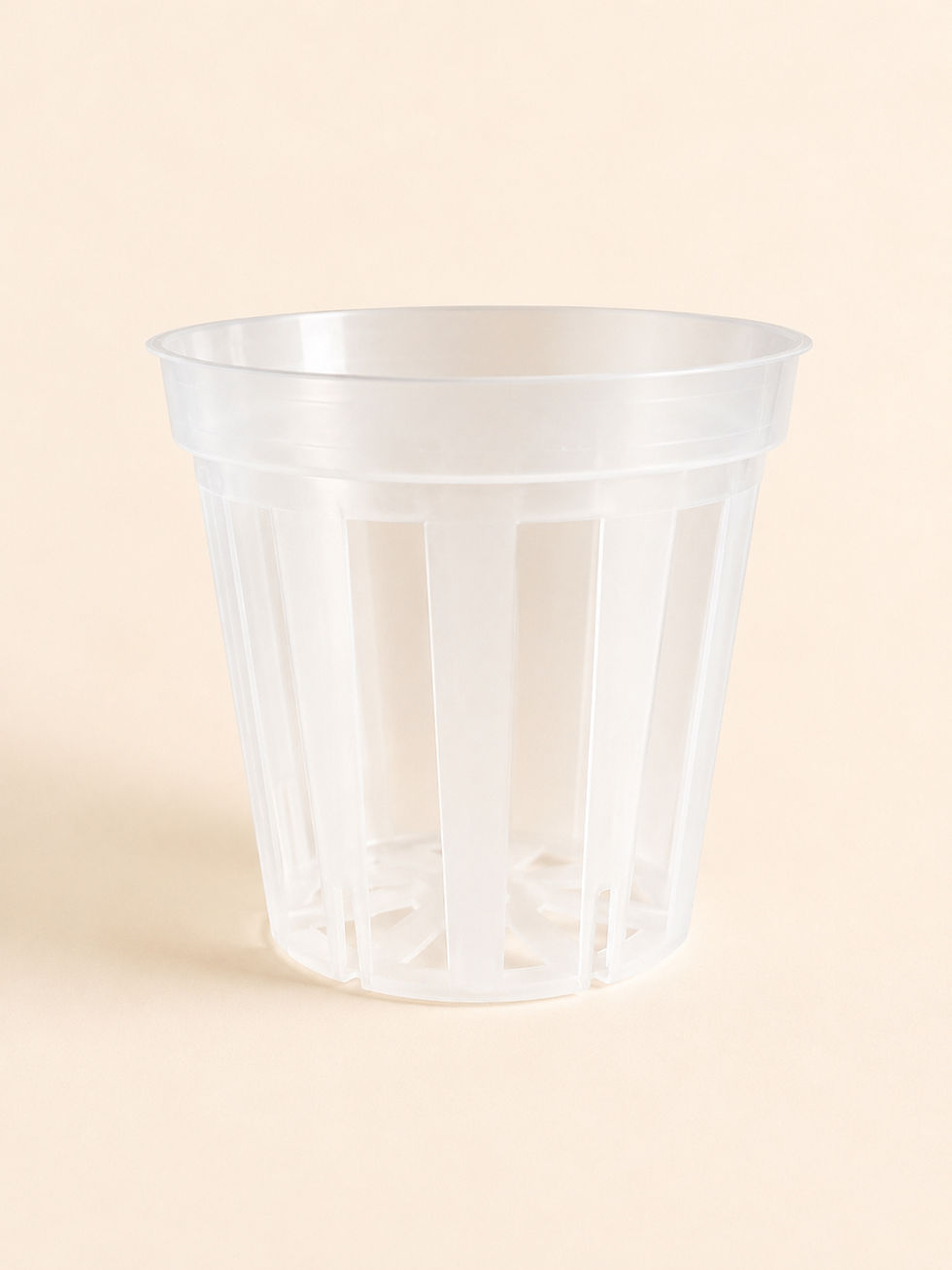
Give your Hoya Krimson Queen bright, indirect light, with some gentle morning sun being beneficial for strong growth and good variegation. Allow the potting mix to dry out well between waterings, as Hoyas prefer being slightly too dry rather than permanently soggy. Use a chunky, well-draining mix and a pot with drainage holes. Warm temperatures and moderate to high humidity will encourage healthy growth, while feeding lightly during the growing season can support new leaves and flowering. It can be grown as a trailing plant or trained onto a support if you prefer a more structured look.
Troubleshooting
Yellowing, soft leaves or constantly wet soil are usually signs that your Hoya is getting too much water. If growth is sparse or the variegation is fading, increase the light gradually. Brown or crispy leaves can result from harsh direct sunlight, inconsistent watering or very dry conditions. Avoid constantly moving the plant or chopping off healthy flower spurs, as Hoya flowers often develop from these same points. Give it stable conditions and a little patience; Hoyas are occasionally very committed to doing absolutely nothing and then suddenly producing a pile of new growth.
Pet and reptile safety
Hoya Krimson Queen is generally considered non-toxic to cats and dogs, although eating large amounts of any plant material can still cause mild digestive upset. It is also generally regarded as a suitable ornamental plant for reptile enclosures, but it should not be considered a food plant or intentionally fed to reptiles. For reptile habitats, only use plants that have been grown without pesticides, systemic insecticides or other chemicals that could be harmful if the leaves are nibbled.